
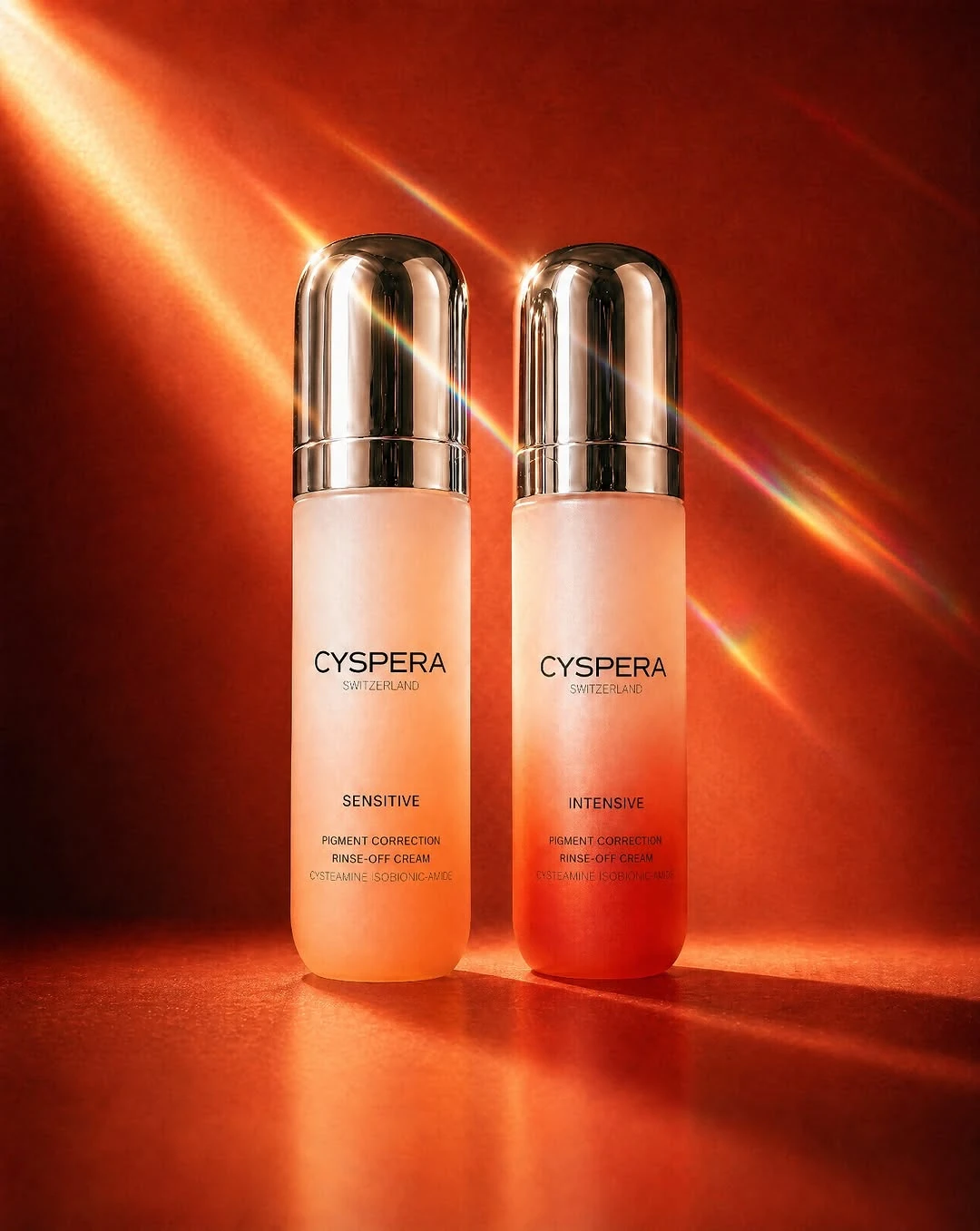
Facial hyperpigmentation is one of the most common aesthetic and dermatological concerns that bring patients to a doctor. Dark spots, melasma, sun spots, post-acne marks and uneven skin tone are often not just a surface change, but the result of a complex interplay of UV radiation, inflammation, hormonal factors, genetics and the skin's individual reactivity.
That is why the approach to hyperpigmentation must be carefully planned. Not every spot is the same, just as not every skin reacts the same way to the same active ingredients or procedures. In some people pigment results from long-term sun exposure; in others it is linked to melasma or post-inflammatory changes after acne, irritation or aggressive treatments. This is exactly why a stable, natural-looking result needs an expert assessment, proper home care and, when needed, a combination with suitable in-clinic procedures.
At Rejuva Clinic, Cyspera is introduced as a modern, dermatologically developed system for skin prone to hyperpigmentation. Its role is not only to correct visible dark spots, but also to support skin that tends toward recurring pigmentation, uneven tone and reduced resilience to external factors. Cyspera is therefore seen as part of a personalized protocol — especially for people with melasma, sun spots, post-inflammatory hyperpigmentation, or who want to maintain results after laser and other dermatological treatments.
This article explains why hyperpigmentation develops, which types of spots we see most often in practice, and how Cyspera can contribute to a more even, stable and healthy-looking complexion.
What is hyperpigmentation?
Hyperpigmentation is a change in the skin that occurs when there is increased production or uneven distribution of melanin — the natural pigment that gives skin its color and protects it from UV radiation. When melanocytes, the cells responsible for producing melanin, become overactive, darker areas, spots or uneven tone can appear on the skin.
These changes can be localized, for example as individual dark spots on the cheeks, forehead, upper lip or temples, but they can also cover wider areas of the face. In some people hyperpigmentation is mild and superficial, while in others it can be stubborn, deeper and prone to coming back, especially after sun exposure or skin irritation.
The most common factors contributing to hyperpigmentation are:
- UV radiation and insufficient sun protection
- hormonal changes
- melasma
- inflammatory skin changes, including acne
- genetic predisposition
- skin irritation or improper use of aggressive products
- photoaging and long-term cumulative skin damage
It is important to understand that hyperpigmentation is not just a matter of “lightening a spot”. Skin prone to pigmentation needs careful handling, because an overly aggressive approach can further irritate the skin and make the problem worse. That is why modern protocols increasingly combine pigment correction, inflammation control, strengthening the skin barrier and daily photoprotection.
The most common types of facial spots
Facial spots may look similar, but their cause, depth and how the skin behaves can be very different. That is why, before choosing a product or treatment, it is important to understand what type of hyperpigmentation it is. In practice we most often see melasma, sun spots, post-inflammatory hyperpigmentation and diffusely uneven skin tone.
Melasma
Melasma is one of the most stubborn forms of hyperpigmentation. It most often appears as symmetrical brown or grayish-brown patches on the cheeks, forehead, upper lip or chin. It can be linked to hormonal factors, pregnancy, oral contraceptives, genetic predisposition and UV exposure.
What makes melasma particularly challenging is its tendency to come back. Even when the pigment fades, the skin can remain reactive and sensitive to sun, heat, inflammation or aggressive treatments. That is why a fast, overly aggressive approach is usually not recommended for melasma; instead, a carefully guided protocol combines home care, photoprotection and, when indicated, in-clinic procedures.
Cyspera can play an important role precisely in these types of pigmentation, as it is used as part of continuous care for skin prone to dark spots and uneven tone. With melasma it is especially important that the product is fitted into a broader plan defined by the doctor.
Sun spots
Sun spots result from long-term, repeated exposure to UV radiation. They most often appear on the areas most exposed to the sun — the face, neck, décolleté and hands. On the face they are often seen on the cheeks, forehead and temples as clearly defined brownish patches.
These spots are often linked to photoaging, that is, cumulative skin damage over the years. They can also appear in people who use SPF regularly but previously had periods of intense sunbathing, tanning beds or insufficient skin protection.
With sun spots, the goal is not only to lighten existing pigment, but also to prevent new spots from forming. That is why daily sun protection, antioxidant care and controlled depigmenting protocols are a key part of the treatment plan.
Spots after acne and skin irritation
Post-inflammatory hyperpigmentation develops after inflammatory processes in the skin. We see it most often after acne, but it can also appear after irritation, scratches, improper squeezing of blemishes, aggressive peels or poorly performed treatments.
These spots are not scars in the true sense, but changes in skin color that remain after the inflammation has settled. In some people they fade relatively quickly, while in others they can last for months, especially in darker phototypes or skin prone to pigmentation.
With this type of change it is especially important to calm the skin and avoid further irritation. Overly aggressive home care, combining several strong active ingredients without supervision or insufficient sun protection can prolong the spots and make them more pronounced.
Uneven skin tone and diffuse discoloration
For many people the problem is not one clearly defined spot, but an overall impression of uneven tone. The skin may look tired, grayish, blotchy or lack an even reflection of light. These changes often develop gradually, through a combination of UV radiation, stress, inflammation, improper care, hormonal changes and the natural aging of the skin.
Diffuse discoloration needs a different approach from individual spots. Instead of treating just one area, the focus is on the overall quality of the skin: evening out tone, strengthening the skin barrier, better hydration, reduced reactivity and a gradual return to a healthier-looking complexion.
In exactly these conditions Cyspera can be part of a broader care regimen, especially combined with proper photoprotection and individually chosen in-clinic treatments. The goal is not a sudden change, but a controlled, gradual and sustainable result.
Why is hyperpigmentation often stubborn?
Hyperpigmentation is often stubborn because pigmentation is not just a surface change in the skin. In many people there is a deeper tendency of melanocytes — the cells that produce melanin — to overreact to sun, heat, inflammation, hormonal changes or skin irritation. So spots can fade, but in predisposed skin they can be reactivated if the triggers are not controlled.
One of the most important factors is UV radiation. Even brief daily sun exposure without adequate protection can stimulate melanocytes and darken existing spots again. In people with melasma or sun spots, pigmentation often worsens in spring and summer, but also after time in hot environments, saunas or intense heating of the skin.
Another important factor is inflammation. Skin that is sensitive, irritated or prone to acne may produce more pigment in response to inflammation. That is why post-inflammatory hyperpigmentation often appears after acne, aggressive cosmetic products, mechanical irritation or poorly performed treatments. When the skin is irritated further, renewal can be slower and the spots more pronounced.
With melasma, hormonal factors are an additional challenge. Changes during pregnancy, hormone therapy or oral contraceptives, as well as individual genetic predisposition, can make the skin more prone to recurring pigmentation. That is why melasma often needs a long-term approach, not just a short-term correction of visible spots.
It is important to stress that overly aggressive treatment can make things worse. In skin prone to hyperpigmentation, especially with melasma and darker skin phototypes, strong peels, improper use of active ingredients or poorly chosen laser procedures can cause further inflammation and intensify pigmentation. That is why assessing the skin before starting a protocol is key.
Because of this complexity, the modern approach to hyperpigmentation is not based only on lightening spots. The aim is to act on several levels at once: reducing visible pigment, controlling inflammation, strengthening the skin barrier, daily sun protection and long-term maintenance of results. In this context Cyspera can be included as part of a personalized plan for skin prone to recurring pigmentation and uneven tone.
How do we treat hyperpigmentation and facial spots at Rejuva Clinic?
At Rejuva Clinic we treat hyperpigmentation individually, because facial spots do not always arise for the same reason and do not respond equally to the same protocol. The treatment recommendation depends on the type of pigmentation, the depth of the pigment, skin phototype, sensitivity, previous treatments, sun exposure habits and whether it is melasma, sun spots, post-acne marks or diffusely uneven tone.
Our approach is not aimed only at “removing the spot”, but at evening out skin tone in a controlled, safe way, while reducing the risk of irritation and recurring pigmentation. With skin prone to hyperpigmentation it is especially important that treatment is not aggressive but precise and gradual, with good skin preparation, adequate photoprotection and expert monitoring of results.
The PICO laser as one of the key treatments for pigmentation
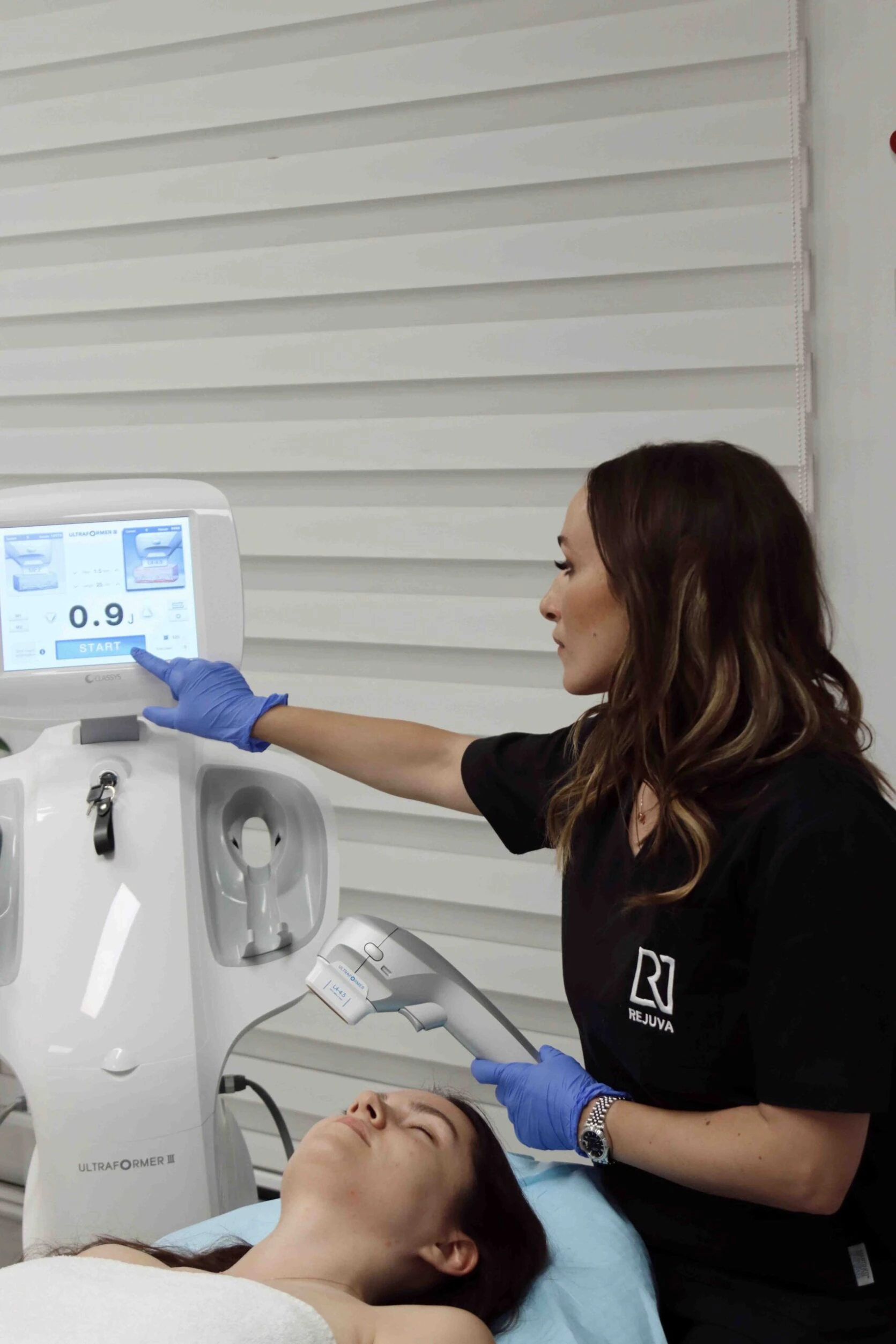
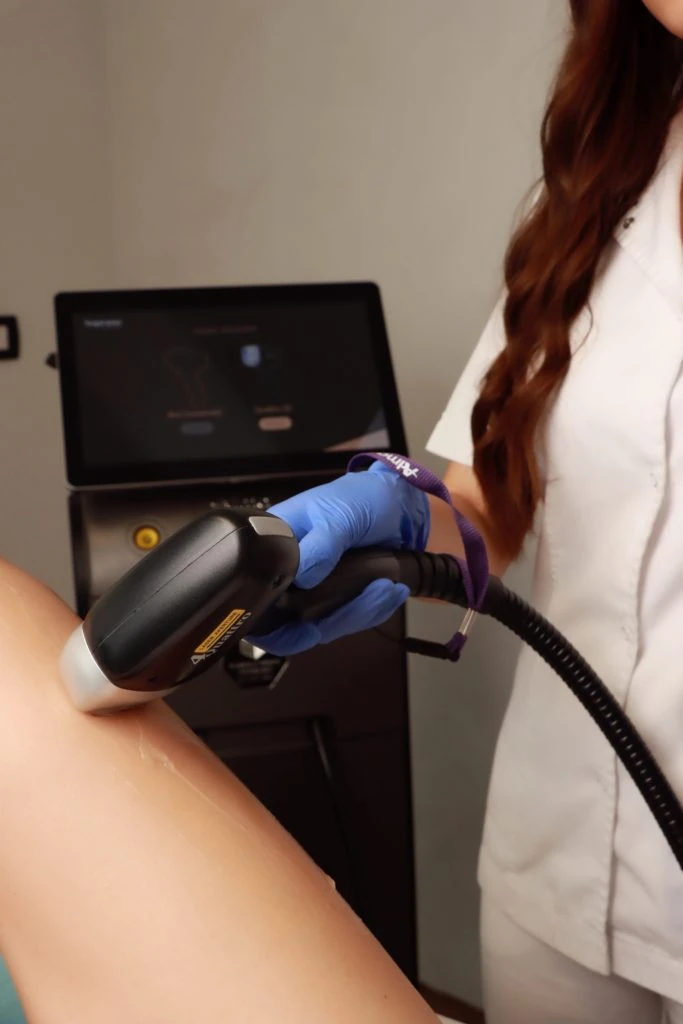
One of the most important treatments we use at Rejuva Clinic for spots, hyperpigmentation and uneven tone is the PICO laser. This technology uses ultra-short laser pulses that act on pigment in the skin with great precision, with minimal thermal load on the surrounding tissue. That is why the PICO laser is often used for different forms of pigmentation, as well as for overall skin quality, texture and radiance.
Unlike some more aggressive approaches, the PICO laser allows controlled work on pigment, which is especially important for people with sensitive skin, a tendency to spots or previous experience of irritation. The treatment can be planned as a series of sessions, depending on the depth and intensity of the pigmentation and the skin's individual response.
You can read more about this treatment on the page:
PICO Laser – Rejuva Clinic Belgrade
Why is home care as important as the in-clinic treatment?
With hyperpigmentation, the result does not depend only on the in-clinic treatment. Skin prone to spots needs daily control of triggers — above all UV radiation, inflammation and irritation. That is why proper home care, high SPF protection and a clearly defined regimen of active ingredients play a key role in maintaining results.
In practice we often see that spots can fade with treatments but come back if the skin is not protected or if inappropriate care is used. That is why we always explain to patients that pigmentation treatment is not a one-off event, but a process that requires consistency.
Where does Cyspera fit into the Rejuva approach?
This is exactly the part of the protocol where we introduce Cyspera — as a complement to the professional approach to treating hyperpigmentation. Cyspera is not seen as a substitute for laser procedures, nor as a universal solution for every type of spot, but as part of a broader plan for skin prone to pigmentation, melasma and uneven tone.
Its role is especially important for patients who need controlled home care between treatments, skin preparation before certain procedures or maintenance of results after laser protocols. For people with melasma or a tendency toward recurring pigmentation, this continuity can be as important as the in-clinic treatment itself.
In this way, the Rejuva approach to hyperpigmentation brings together three key elements: expert skin diagnostics, precisely chosen in-clinic treatments such as the PICO laser, and targeted home care with Cyspera. The goal is gradual, safe and sustainable evening of skin tone — respecting the skin's individual biology.
What is Cyspera?
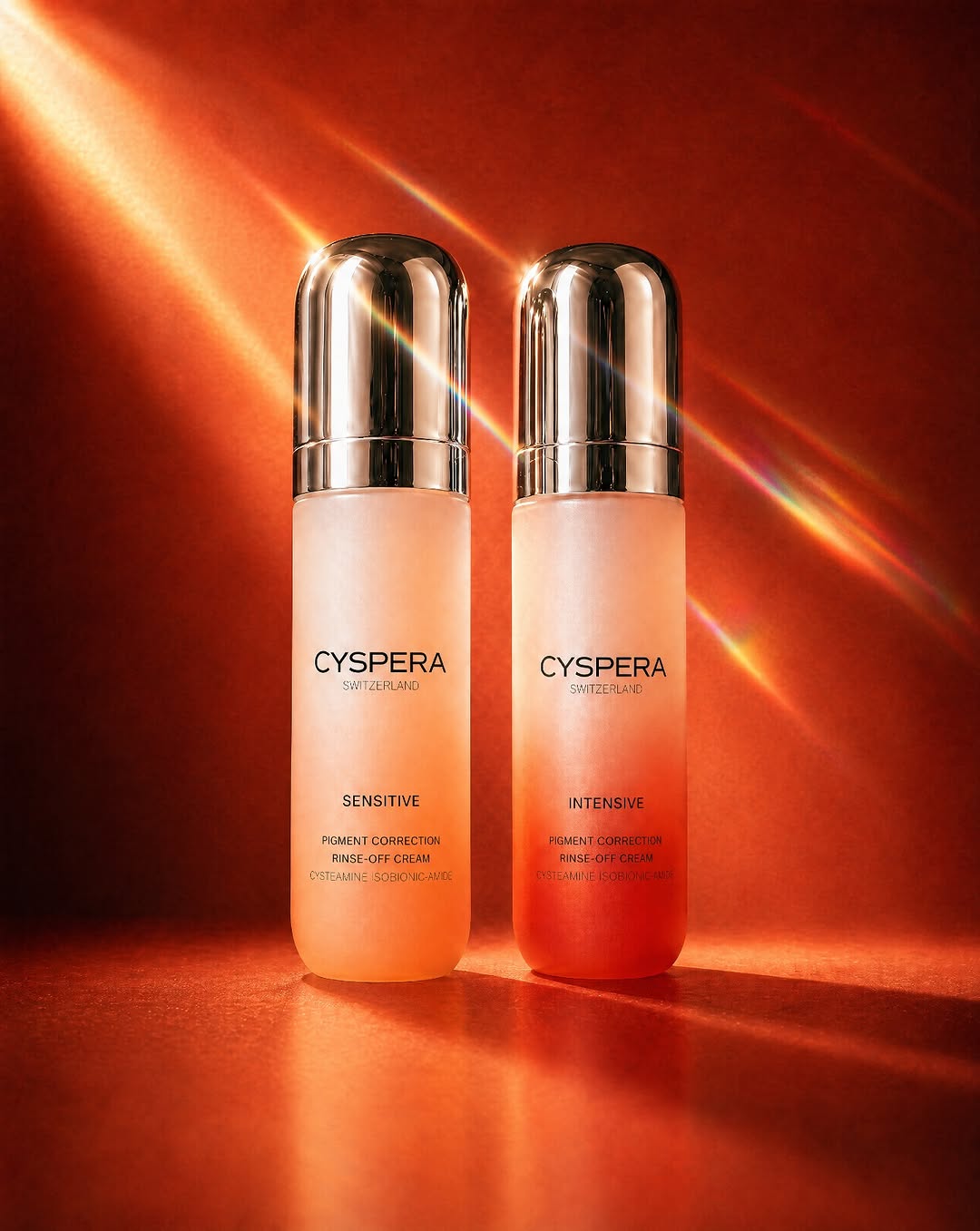
Cyspera is a dermatologically developed care system for skin prone to hyperpigmentation, dark spots, melasma and uneven tone. Unlike classic cosmetic “brightening” products, Cyspera is designed as targeted care for skin with increased pigment activity that also needs better tolerance, a stronger barrier and longer-term maintenance of an even complexion.
At the core of the Cyspera approach is cysteamine, an active ingredient known for its use in hyperpigmentation protocols. Its role is to help reduce the visibility of dark spots and contribute to a gradual evening of skin tone. Cyspera formulas are designed for short-contact use, which means the product is applied for a set time and then rinsed off according to the recommended protocol.
What makes Cyspera particularly relevant to the modern approach to pigmentation is that it does not focus only on the existing spot, but on overall skin quality. With hyperpigmentation the skin is often reactive, prone to inflammation, sensitive to the sun and liable to form pigment again. So care needs to be active enough to work on the pigment, while fitting carefully into the skin's overall regimen.
At Rejuva Clinic, Cyspera is introduced as a complement to personalized hyperpigmentation protocols. It can be part of the plan for people with melasma, sun spots, post-acne marks or uneven tone, and for patients who want to maintain results after laser and other dermatological treatments.
It is important to stress that Cyspera is not a “quick fix” or a universal cream for every spot. It makes most sense as part of an expert-guided plan, with proper photoprotection, appropriate skin care and realistic expectations. With pigmentation, continuity is often decisive — which is why Cyspera is seen as part of a long-term approach to a healthier, more stable and more even complexion.
How does Cyspera work?
Cyspera works through a modern approach to caring for skin prone to hyperpigmentation, where the goal is not only to make existing spots less visible, but also to support the skin's resilience, reduce reactivity and help maintain a more even tone. This is especially important with melasma, sun spots and post-inflammatory hyperpigmentation, because pigment often returns if the factors that reactivate it are not controlled.
At the core of the Cyspera system is a combination of active ingredients that act on several levels of the skin.
Cysteamine — the key ingredient for targeted pigment correction
Cysteamine is one of the most important active ingredients in Cyspera formulas. Its role is to help reduce the visibility of dark spots and contribute to a gradual evening of tone. Unlike aggressive approaches that can irritate the skin and further stimulate pigmentation, cysteamine is used in a controlled protocol, most often as a short-contact treatment applied for a set time and then rinsed off.
With hyperpigmentation it is especially important to introduce active ingredients carefully. Skin prone to spots is often also prone to inflammation, so excessive irritation can make things worse. That is why the Cyspera protocol is gradually adapted to the skin, as recommended by a doctor or specialist who monitors the response.
Isobionic-Amide — support for skin resilience and comfort
Besides acting on pigment, modern hyperpigmentation treatment must take the quality of the skin barrier into account. In people with melasma, post-acne marks or uneven tone, the skin often reacts more strongly than expected to external factors: sun, heat, stress, aggressive care or inflammation.
Isobionic-Amide in the Cyspera system helps support the skin's resilience and contributes to better tolerance of the protocol. This matters because long-term success with hyperpigmentation depends not only on how quickly a spot fades, but also on how well the skin tolerates active care without further irritation.
TyroCutin™ — additional support for a more even complexion
The Cyspera approach also includes TyroCutin™, an ingredient that is part of a broader strategy aimed at better control of pigmentation and a more even-looking complexion. Its role is to complement the topical care and support the skin while work is done on reducing the visibility of dark spots.
In patients with stubborn pigmentation, especially melasma and recurring spots, this multi-layered approach is particularly important. Instead of relying on a single active ingredient, the aim is to give the skin combined support: pigment correction, reduced reactivity and a more stable tone.
Why is gradual introduction important?
Cyspera is not used like a classic cream that is applied and left on all day or night. It is a short-contact protocol, which means the product is applied for a limited time, then rinsed off, followed by care that supports the skin's comfort and renewal.
This way of using it allows the active ingredients to be used in a targeted way, with better control of tolerance. For people with sensitive skin, melasma or a tendency to irritation, the doctor may recommend gradually extending the contact time and individually adjusting how often it is applied.
The most important part of any Cyspera protocol remains consistency. Results with hyperpigmentation are not judged after a few days, but over several weeks. The goal is gradual, stable and controlled evening of skin tone, without unnecessarily disrupting the skin barrier.

Who is Cyspera for?
Cyspera is intended for people with pronounced or recurring hyperpigmentation, dark spots, melasma, sun spots or uneven tone. It is especially useful for skin that needs a longer-term, carefully guided approach, because pigmentation is rarely resolved with one treatment or one cream, but with a combination of proper diagnosis, home care, photoprotection and, when needed, in-clinic procedures.
At Rejuva Clinic, Cyspera is most often considered for patients who need controlled home care between treatments, skin preparation before laser procedures or maintenance of results after pigmentation treatments.
Cyspera for melasma
Melasma is one of the most common indications where Cyspera can play a significant role. Since melasma tends to come back, especially after exposure to sun, heat, hormonal changes or skin irritation, the goal is not just temporary lightening of the spots, but stabilizing the skin and maintaining results over the long term.
With melasma, Cyspera is introduced carefully, with mandatory daily sun protection and control of all factors that can stimulate pigmentation. Depending on the condition of the skin, it can be combined with in-clinic treatments, but with melasma we always insist on an individual plan, because an overly aggressive approach can worsen pigmentation.
Cyspera for sun spots
Sun spots, or solar pigmentation, most often appear on areas exposed to UV radiation for years — the face, neck, décolleté and hands. With these changes, Cyspera can be part of a protocol for gradually evening out tone and reducing the visibility of dark areas.
With sun spots we often combine home care with in-clinic treatments, especially when the pigment is more pronounced or when there are other signs of photoaging, such as loss of radiance, uneven texture or fine lines. In such cases Cyspera can complement treatments such as the PICO laser, especially in the skin preparation or maintenance phase.
Cyspera for post-acne marks
Post-inflammatory hyperpigmentation after acne can be frustrating, because the marks often remain long after the active inflammation has settled. In these conditions it is important not to treat the skin too aggressively, especially if it is still sensitive, prone to redness or new breakouts.
Cyspera can be included as part of a regimen aimed at gradually evening out tone while preserving the skin barrier. In people who also have active acne, the condition of the skin is assessed first and priorities are set — calming inflammation, restoring the barrier, and then working on pigmentation.
Cyspera for uneven skin tone
Not every pigmentation is a clearly defined spot. For many people the problem is diffusely uneven tone, skin that looks tired, grayish, blotchy or lacks a healthy glow. In these cases Cyspera can be part of a broader protocol to improve evenness of tone and overall skin quality.
This approach is especially useful for skin with a combination of mild pigmentation, sun damage, reduced radiance and increased reactivity. The goal is not a dramatic change, but a gradual return to a more stable, clearer and brighter-looking complexion.
Cyspera in Rejuva protocols for hyperpigmentation
At Rejuva Clinic we see Cyspera as part of a broader, medically guided approach to treating hyperpigmentation, not as an isolated product. With facial spots, melasma and uneven tone, the most important thing is to understand that the skin must be treated gradually, while controlling the triggers that bring pigment back.
That is why Cyspera has a special place in protocols where we want to connect in-clinic treatments, such as the PICO laser, with proper home care and long-term maintenance of results. This approach is especially important for people with stubborn pigmentation, sensitive skin, melasma or spots that come back after summer.
Cyspera as skin preparation for treatments
For some patients, Cyspera can be included before in-clinic treatments, when the aim is to prepare and stabilize the skin and introduce it to a targeted pigmentation regimen. This is especially useful for skin prone to uneven tone, reactivity or spots darkening again.
Preparing the skin before treatment can help the protocol run in a more controlled way. With hyperpigmentation, the goal is not to “attack” the skin, but to gradually bring it to a state in which it tolerates active ingredients and procedures better. That is why the doctor assesses whether Cyspera is introduced before treatment, between treatments or after a completed series of procedures.
Cyspera between PICO laser treatments
For patients having PICO laser or other pigmentation treatments, the period between sessions is very important. The skin is going through recovery and renewal, while the pigment is gradually broken down and eliminated. During this period home care must be precisely chosen, because excessive irritation or an inappropriate routine can slow recovery and increase the risk of pigmentation returning.
In this context, Cyspera can be used as part of a regimen that supports work on pigment between in-clinic treatments. Its use is matched to the type of treatment, the condition of the skin and the doctor's recommendation, to avoid overloading the skin with active ingredients.
Cyspera for maintaining results after treatment
One of the biggest challenges with hyperpigmentation is not just achieving a result, but maintaining it. Spots can come back if the skin is exposed to the sun without protection, if inflammation and irritation are not controlled, or if proper home care stops.
That is why Cyspera can play an important role in the maintenance phase. After treatments such as the PICO laser or other tone-evening protocols, the goal is for the skin to stay stable, protected and less prone to pigment reactivating. In this phase we especially insist on regular SPF protection, gentle restoration of the skin barrier and a clearly defined routine the patient can follow long term.
An individual plan instead of a universal protocol
With hyperpigmentation there is no single protocol that is ideal for everyone. A person with melasma is not treated the same way as a person with sun spots. Post-acne marks need a different approach from diffusely uneven tone. Skin that is sensitive, thin or prone to redness needs a more careful pace than skin that tolerates active ingredients well.
That is why at Rejuva, Cyspera is introduced only after assessing the skin and defining a realistic goal. Sometimes the goal is to reduce the visibility of existing spots, sometimes to prepare the skin for the PICO laser, and sometimes to maintain results after treatment. In all cases the protocol is adapted to be effective but also safe for long-term use.
In this way Cyspera fits into the Rejuva treatment philosophy: precise diagnostics, carefully chosen technology, personalized home care and realistic expectations. For skin prone to pigmentation, this approach usually gives the most stable and natural-looking results.
Where can you buy Cyspera?
Cyspera products are available through Skin Sana, the official distribution partner for premium dermatological and professional skin care. On the Skin Sana website you can see the available Cyspera products, what they are for and basic information on correct use.
For more information on the Cyspera line, see:
Cyspera products on the Skin Sana website
The Cyspera line includes products for different needs of skin prone to pigmentation:
Cyspera Intensive — for more pronounced and stubborn hyperpigmentation, melasma, dark spots and discoloration.
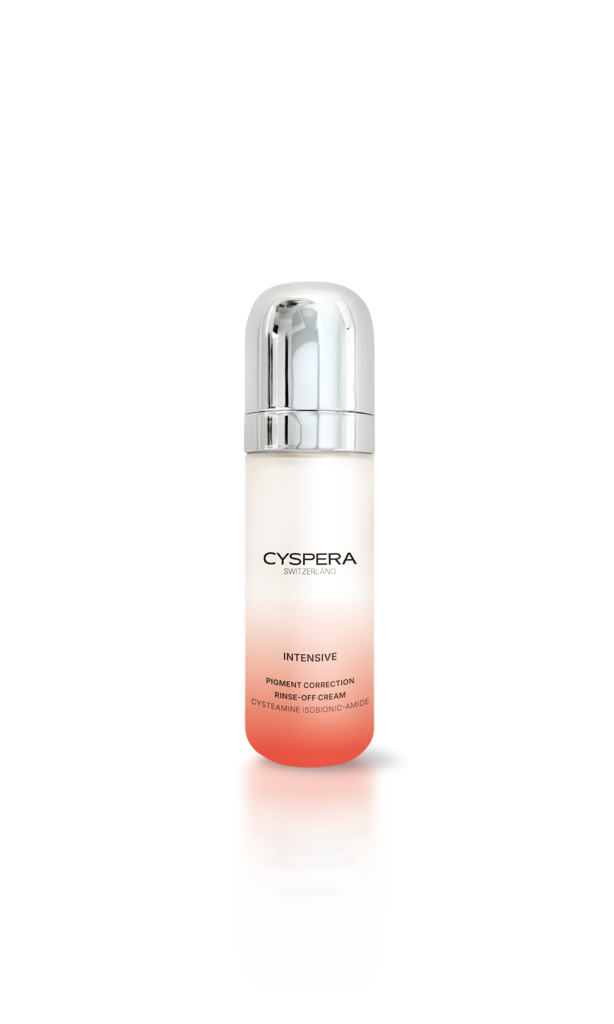
Cyspera Sensitive — for skin that needs a more careful approach, better tolerance and gradual introduction of active care.
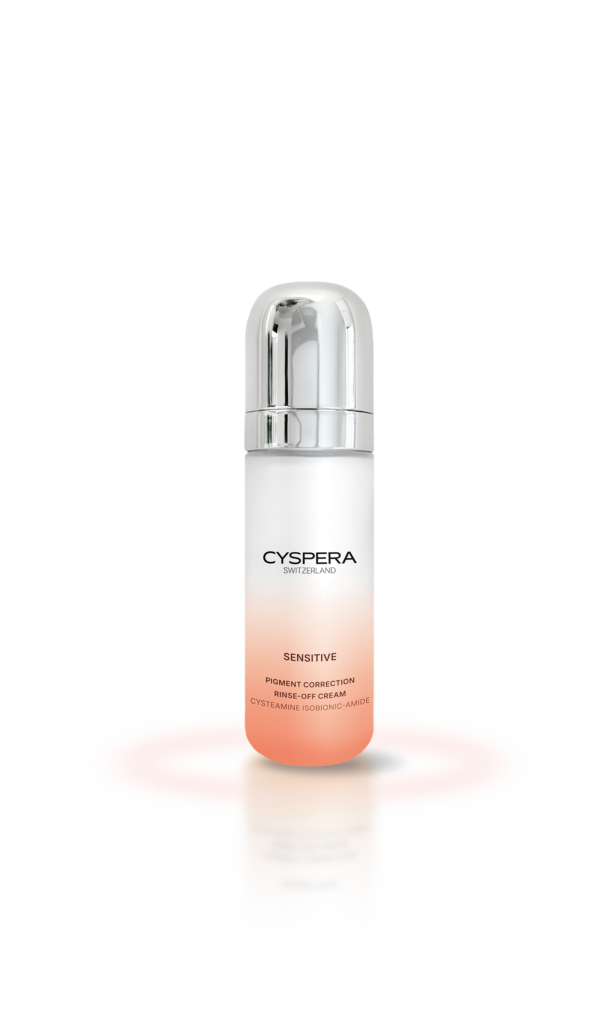
Cyspera Ageless — as support for skin showing signs of photoaging, reduced resilience, loss of radiance and uneven tone.
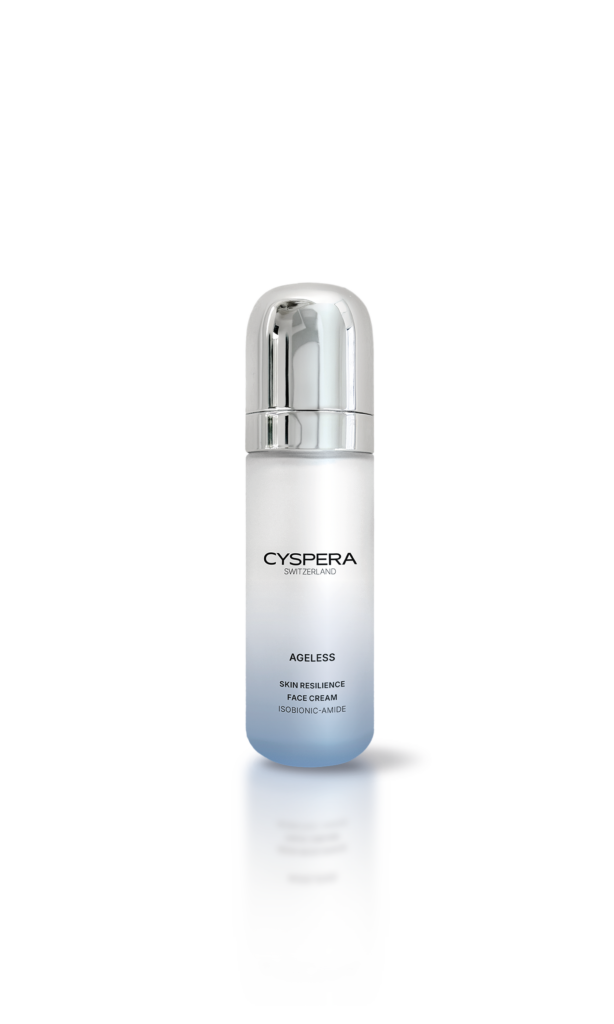
Although Cyspera is used at home, with pronounced hyperpigmentation, melasma or skin prone to irritation it is recommended that its use be aligned with an expert assessment. This way the product is chosen according to the actual condition of the skin, the treatment goal and any procedures done at the clinic.
Conclusion
Hyperpigmentation calls for a patient, expert and consistent approach. Dark spots on the face, melasma, sun spots and post-inflammatory pigmentation are rarely just a surface problem of the skin. They are often the result of a combination of UV radiation, inflammation, hormonal factors, genetic predisposition and impaired skin resilience.
That is why at Rejuva Clinic hyperpigmentation treatment is planned individually. For some patients the protocol is built around PICO laser, while for others the priority is stabilizing the skin, restoring the barrier and carefully introducing home care. In many cases the best result comes from combining professional treatments, daily photoprotection and targeted pigmentation care.
Cyspera fits into this approach as a modern complement to protocols for skin prone to spots, melasma and uneven tone. Its value lies not only in working on visible pigmentation, but in its potential to become part of a long-term plan for a more stable, even and healthy-looking complexion.
If you have hyperpigmentation, sun spots, melasma or uneven tone, we recommend an expert skin assessment before choosing a product or treatment. This way a plan is made that suits your skin type, the type of pigmentation and realistic treatment goals.
For a consultation at Rejuva Clinic, you can contact us through the page:
Contact and booking a consultation – Rejuva









 English
 Serbian